
Influencer marketing in Japan: how Japanese YouTubers sell overseas products
For an overseas product that Japanese buyers have never seen, a Japanese creator showing it working is often the strongest proof you can have. It worked for Vinxper and Outin. Since October 1, 2023, there is also a clear rule: if a post is your advertisement, it must say so, and the brand is the one responsible.
In short: let Japanese creators show the product, and label every paid or directed post
In Japan, a YouTube review that shows your product working, in Japanese, can do more than any ad. Since October 1, 2023, posts you pay for or shape must be clearly marked as advertising, and the advertiser, not the creator, is the one regulated.
By Yuki Nojiri, CEO of Eifer, Inc. (Tokyo). Since 2019 Eifer has launched or supported 58+ overseas brands in Japan.
Why do Japanese YouTube reviews sell overseas products?
Most overseas gadgets meet Japanese buyers as something new. The first question is "what does it do for me?", and a still image or a feature list can't answer it. A video can. A Japanese video by someone the viewer already watches answers it in their language, in a Japanese kitchen or living room, with the doubts a Japanese buyer would have.
It also solves the trust problem. Japanese buyers look for Japanese voices before overseas reviews. A creator is a Japanese voice that thousands of people hear at once.
One Japanese launch team told us their biggest regret was using the brand's still key visual instead of a short video. Buyers kept asking what the product does. Creator videos are often the fastest way to fix that.
What YouTuber reviews did for Vinxper and Outin
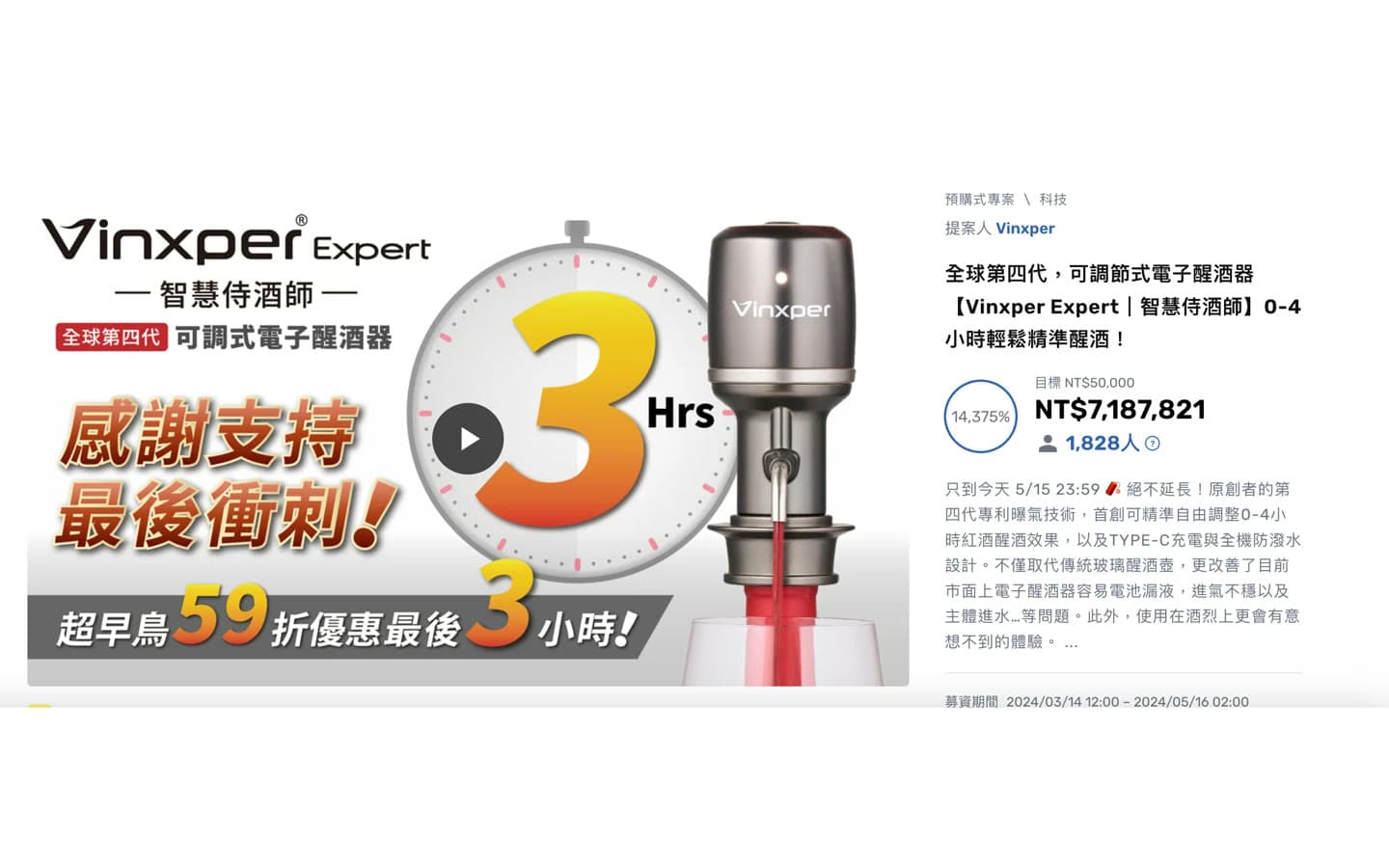
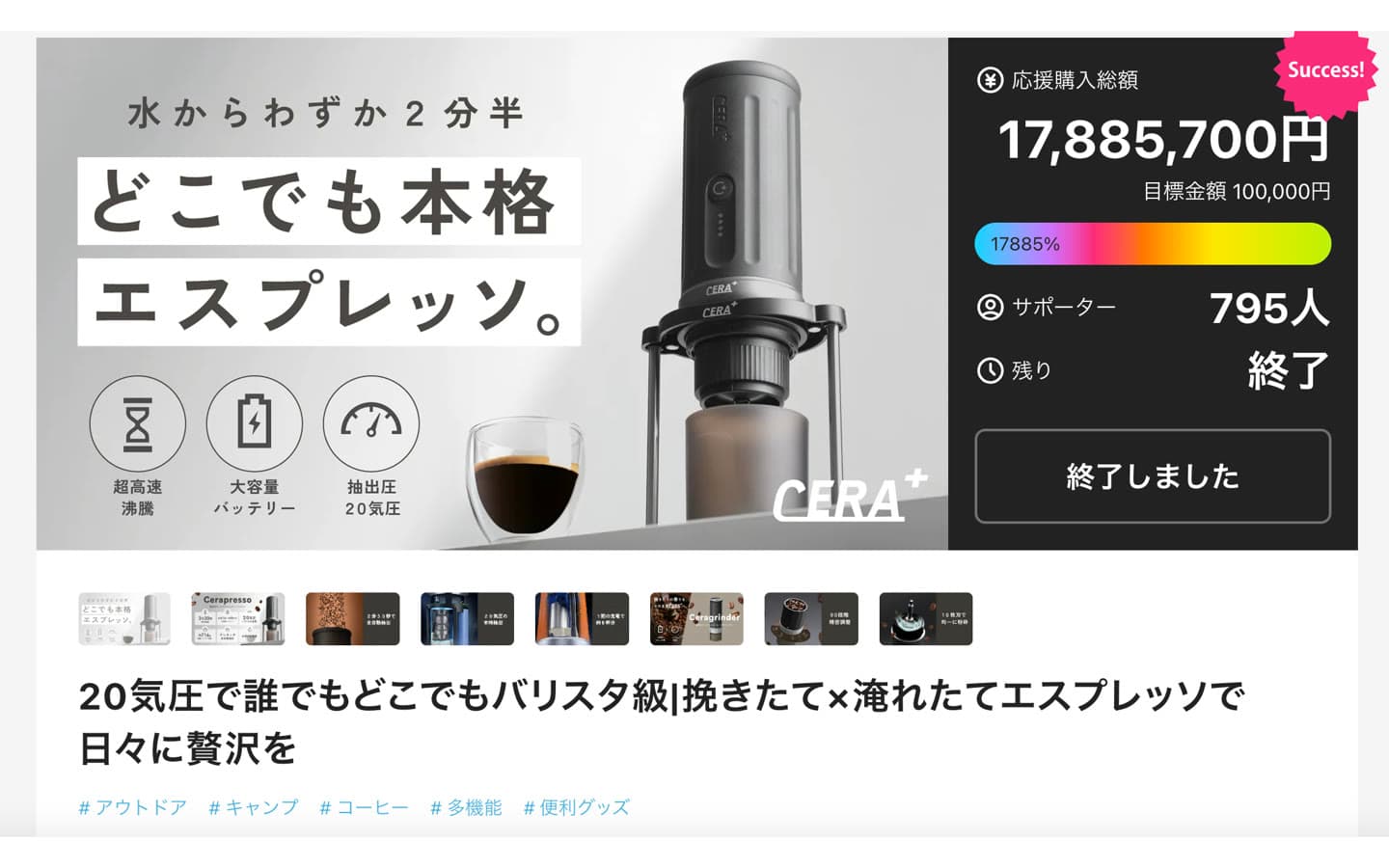
Vinxper, a wine gadget patented in Taiwan, launched in Japan with PR through YouTuber reviews and passed ¥15M in sales in its first month. For Outin, a portable coffee maker from Shanghai, YouTubers were part of the awareness mix alongside TV and social media; the full stories are in the related article on Chinese brands below.
How do you find the right Japanese YouTubers for your product?
You don't need an agency database to start. Search the way your Japanese buyers would:
- Search YouTube in Japanese for your category and for the products buyers use today instead of yours. Note who shows up again and again.
- Watch whether the creator actually uses products on camera, or only reads specs. Buyers need to see the product working.
- Read the comments. Look for viewers asking where to buy, how much it costs or how it compares. That is a buying audience.
- Check how the creator handles sponsored videos today. A creator who already labels advertising clearly will be easier to work with under Japan's rules.
- Check fit with your buyer: age, household, lifestyle. A smaller channel whose viewers match your buyers can move more units than a large general one.
Then contact the shortlist in Japanese, with a short note on the product, a sample offer and how you would like to work together.
What is Japan's stealth marketing rule for influencer posts?
As of November 2026, this is how the Consumer Affairs Agency describes it. This is a summary, not legal advice; confirm your own setup with a specialist.
- Since October 1, 2023, advertising that consumers cannot recognise as advertising is a violation of the Act against Unjustifiable Premiums and Misleading Representations.
- The regulated party is the business that supplies the product, the advertiser. The influencer who receives the request is not the target of the rule. That means the risk sits with your brand and your Japanese partner.
- It covers social media posts and reviews, and also TV, newspapers, radio and magazines.
- A post counts as your advertisement when you decide or effectively shape its content. A paid, individual request is very likely to count. Gifting a product to selected influencers can count, depending on the circumstances. A buyer's truly voluntary post does not.
How to label it
The Agency gives words such as 広告 (advertisement), 宣伝 (promotion), プロモーション (promotion) or PR as examples, and also accepts a clear sentence such as "I received this product from Company A". The label must actually be noticeable:
- In a video, a label only at the start can be missed. The Agency recommends making it clear throughout.
- A label placed only in a reply thread, not in the post itself, is usually not clear enough.
- Tiny text, or a label buried among hashtags, is not clear enough.
- "I work for Company X" alone does not necessarily make it clear that the post is an advertisement.
How to use creator videos and audience reactions
Pick by audience, not by size
Choose creators whose viewers look like the buyers you expect, and who already review products in your category
Brief facts, not a script
Give accurate claims, the Japanese manual and a support contact. Let creators speak in their own words
Read the comments
Watch what viewers repeat, ask about and misunderstand. That is unfiltered Japanese feedback
Rewrite the page
Rebuild the product page around what lands with viewers, and answer the confusions right on the page
Reuse with permission
Agree in writing where clips may appear, such as your page or ads, and keep the disclosure on them
What to put in a creator brief for Japan
- Claims you can prove. Avoid "world's first" or "best" unless you have evidence. Japan also restricts exaggerated or misleading claims in advertising, and an influencer post you shape is your advertisement.
- The disclosure wording and where it goes, written into the agreement.
- Samples early, with Japanese instructions. A creator who can't work out the product makes a confused video.
- Who answers viewer questions. Give a Japanese support contact and a page to link to.
- Timing. Ask for posts close to your launch day so the attention lands when buyers can act.
How do you measure influencer marketing in Japan?
Views are not sales. Measure creator work the same way as ads: by sign-ups to the launch list on LINE and by first-day sales.
Give each creator a separate link or landing page, so you can see which video brought which sign-ups and sales. Compare the creator's fee with the sign-ups and sales it brought, the same way you would judge an ad. A video that brings few sign-ups may still build awareness, but you should know which one you are paying for.
Then watch launch day. On a Japanese crowdfunding platform, creator videos timed for the opening help the campaign climb the rankings, and the rankings bring in people who have never heard of the brand.
Influencer marketing in Japan FAQ
Do I have to label influencer posts as ads in Japan?
If you pay for a post or shape its content, yes. Since October 1, 2023 it must be clear to consumers that it is advertising, with words such as 広告 or PR or a clear sentence.
Who is responsible for stealth marketing in Japan, the brand or the influencer?
The brand. The Consumer Affairs Agency regulates the business that supplies the product, not the influencer who receives the request.
Is sending a free product to a YouTuber an advertisement?
It can be, depending on the circumstances, especially when you choose specific creators or influence what they say. If in doubt, label it and confirm with a specialist.
Should I work with big or small Japanese YouTubers?
Choose by audience fit first. A creator whose viewers match your buyers and already review your category is usually worth more than a larger general channel.
Related articles
Chinese brands entering Japan: how to close the trust gap with Japanese proof
Why good Chinese products stall in Japan, what Japanese buyers check first, and who handles certifications
Read the article →Makuake for foreign brands: how overseas brands get on Makuake and launch well
Who can list a project, why most brands go through a Japanese partner, what the page needs and why day one decides
Read the article →
Translation doesn't sell in Japan: what to rebuild instead
Lead with one message, localize the proof, and answer the question Japanese buyers ask first
Read the article →Which Japanese creators fit your product?
On a 30-minute call we will tell you which kind of Japanese creators we would start with for your category, and how we would measure them.
- Minimal upfront cost for your brand
- The form takes about 2 minutes
- We reply within 3 business days